Why Humane Wildlife Removal Is Important for Property and Animal Safety
Choosing humane wildlife removal ensures safe, effective removal of animals to protect property and prevent harm, with local service providers ready to handle the job responsibly.
Understanding why humane wildlife removal is important for property and animal safety is essential for homeowners and property managers alike. When wildlife such as raccoons, squirrels, or bats take refuge in or around a property, it can lead to significant issues, including property damage and potential health risks. Local service providers specializing in humane wildlife removal are equipped to handle these situations responsibly, ensuring animals are relocated safely and ethically. Exploring this topic helps property owners recognize the value of professional assistance in managing wildlife conflicts effectively and humanely.
For property owners in the area, addressing wildlife intrusions promptly can prevent more serious problems down the line. Animals that settle into attics, crawl spaces, or walls can cause structural damage or create entry points for pests. Additionally, some species carry diseases that can pose health concerns. Local contractors who offer humane wildlife removal services understand the importance of protecting both property and animals, providing solutions that prioritize safety and ethical treatment. Continuing to read can help clarify how these services play a vital role in maintaining a safe, animal-free environment.
- Bat removal - when bats roost in attics or walls, local contractors use humane methods to safely exclude them and prevent future entry.
- Squirrel trapping - if squirrels are nesting in roof eaves or chimneys, service providers employ humane techniques to remove them without harming the animals.
- Raccoon exclusion - raccoons damaging property or invading crawl spaces require humane removal and exclusion strategies from local experts.
- Bird control - when birds nest on rooftops or vents, local contractors implement humane deterrents to prevent property damage and health risks.
- Skunk removal - in cases where skunks dig under foundations or invade yards, service providers handle humane removal to protect both property and animals.
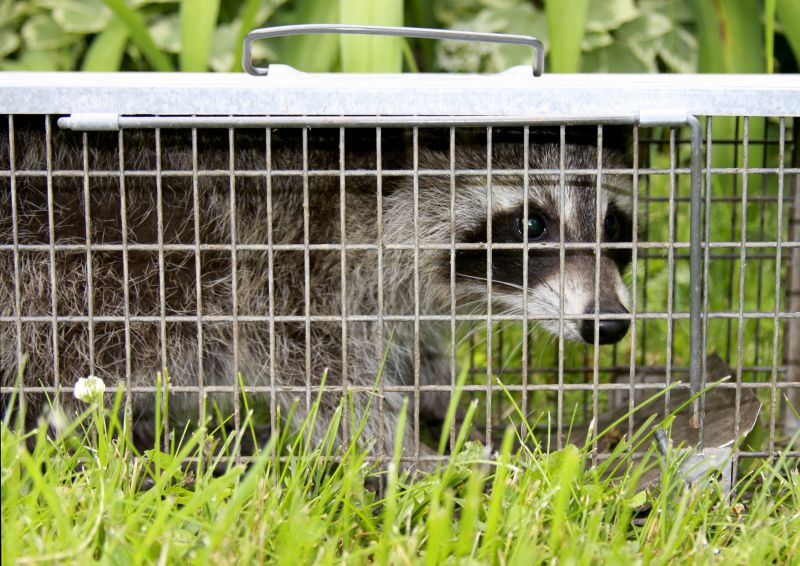
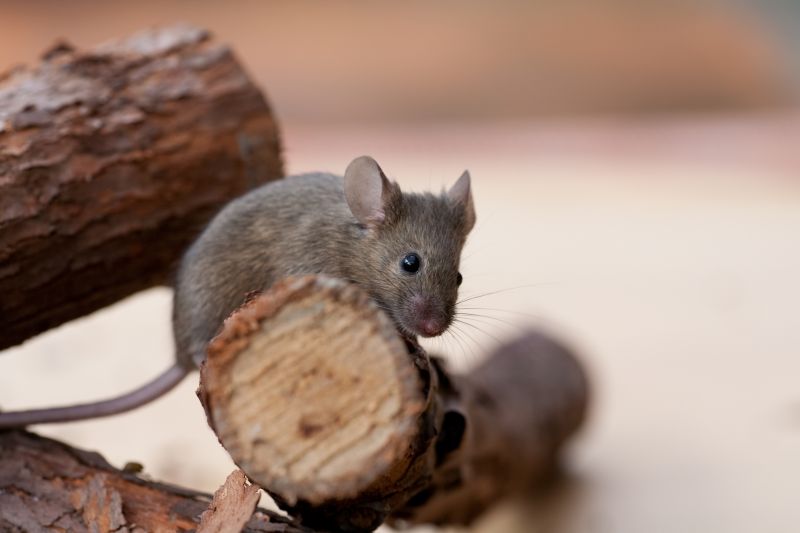
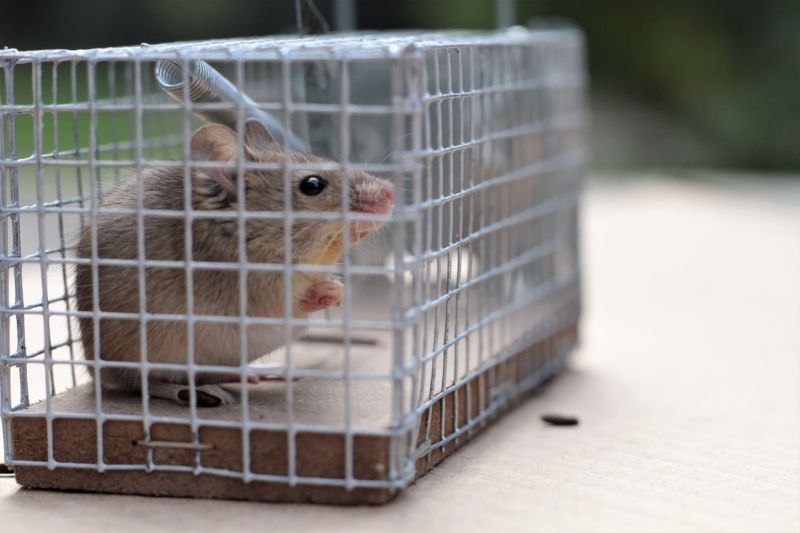
When homeowners search for information about why humane wildlife removal is important for property and animal safety, they are often concerned about the presence of unwanted animals on their land or in their buildings. These animals, which may include raccoons, squirrels, bats, or birds, can cause damage to structures, insulation, and wiring, leading to costly repairs. Additionally, many people seek humane removal options to ensure that animals are relocated safely and ethically, avoiding unnecessary harm or stress. Understanding the significance of this approach helps property owners address wildlife issues responsibly while preventing potential health risks associated with animal droppings, nesting materials, and pests.
The problems related to wildlife intrusions often involve animals gaining access through openings in roofs, vents, chimneys, or foundation cracks. These situations are common on residential properties, especially older homes or buildings with inadequate sealing. Plans to address these issues generally include identifying entry points, safely removing the animals, and implementing exclusion measures to prevent future invasions. Homeowners may also be concerned about the timing of removal to minimize disruption or avoid attracting more animals. Local service providers specializing in humane wildlife removal are equipped to handle these problems efficiently, ensuring animals are removed without harm and property damage is minimized.
Properties that typically come up in these discussions include single-family homes, multi-unit residential buildings, barns, and commercial structures. Any property with accessible entry points or signs of animal activity can become a target for wildlife intrusion. Attics, crawl spaces, chimneys, and roof vents are common areas where animals may establish nests or roosts. These properties often require tailored solutions that address the unique challenges of each site, making it important to work with experienced local contractors who understand the specific wildlife issues in the area. Proper removal and exclusion help protect the property’s integrity and prevent future animal-related problems.
Humane wildlife removal plays a crucial role in maintaining both property safety and animal welfare. It involves removing animals in a way that minimizes stress and injury, often through live trapping and relocation. This approach not only helps prevent property damage and health hazards but also ensures that local wildlife populations are managed ethically. When property owners seek assistance from service providers specializing in humane removal, they gain access to expert solutions that respect animal life while safeguarding their property. Connecting with these local professionals supports responsible management of wildlife issues, making sure that both property and animals are protected in the process.
Exclusion Projects - These involve sealing entry points and installing barriers to prevent wildlife from accessing structures, which is essential for humane wildlife removal and property protection.
Attic Restoration - Repairing and restoring attics after wildlife removal ensures animals cannot re-enter, aligning with humane practices and safeguarding property integrity.
Bird Control Services - Managing bird populations through humane deterrents and nest removal helps maintain property safety and prevents damage caused by avian species.
Rodent Proofing - Installing traps and sealing gaps to prevent rodent infestations complements humane wildlife removal efforts and protects buildings from damage.
Wildlife Habitat Modification - Altering landscaping or outdoor spaces to make properties less attractive to wildlife supports humane removal and reduces future conflicts.
Damage Repair & Prevention - Fixing structural damage caused by animals and implementing preventive measures helps maintain property safety and supports humane wildlife management.
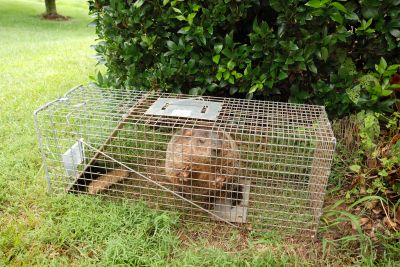
When evaluating local contractors for humane wildlife removal, it is important to consider their experience with similar projects. An experienced service provider will have a better understanding of the common wildlife issues in the area and the most effective, humane methods to resolve them. This familiarity can help ensure that the removal process is handled efficiently and with minimal disruption to the property. Homeowners should inquire about the types of wildlife the contractor has worked with and the approaches used, as this can provide insight into their ability to address specific concerns related to property and animal safety.
Clear written expectations are essential when choosing a wildlife removal service. A reputable provider should be able to outline the scope of work, the techniques employed, and any follow-up procedures in a detailed, understandable manner. This transparency helps homeowners understand what to expect and ensures there are no surprises during or after the project. Well-defined expectations also facilitate better communication and allow for a smoother process, which is crucial when considering the importance of humane wildlife removal for maintaining property integrity and animal safety.
Reputable references and strong communication are key indicators of a reliable service provider. Homeowners should seek out contractors who can provide references from past clients, especially those who had similar wildlife concerns. This feedback can offer insights into the quality of work and the professionalism of the provider. Additionally, good communication throughout the project-whether through timely updates, clear explanations, or responsiveness-helps ensure that homeowners feel informed and confident in the process. When it comes to humane wildlife removal, working with a contractor who values transparency and effective communication can make a significant difference in achieving a safe and humane resolution for both property and animals.
Property owners often search for why humane wildlife removal is important for property and animal safety when they are planning practical projects around their homes and businesses. Local pros provide Humane Wildlife Removal services for everyday jobs and straightforward project options.
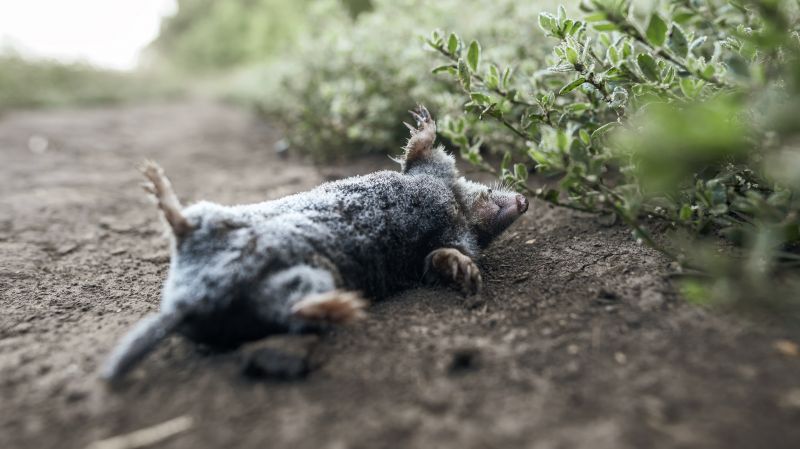
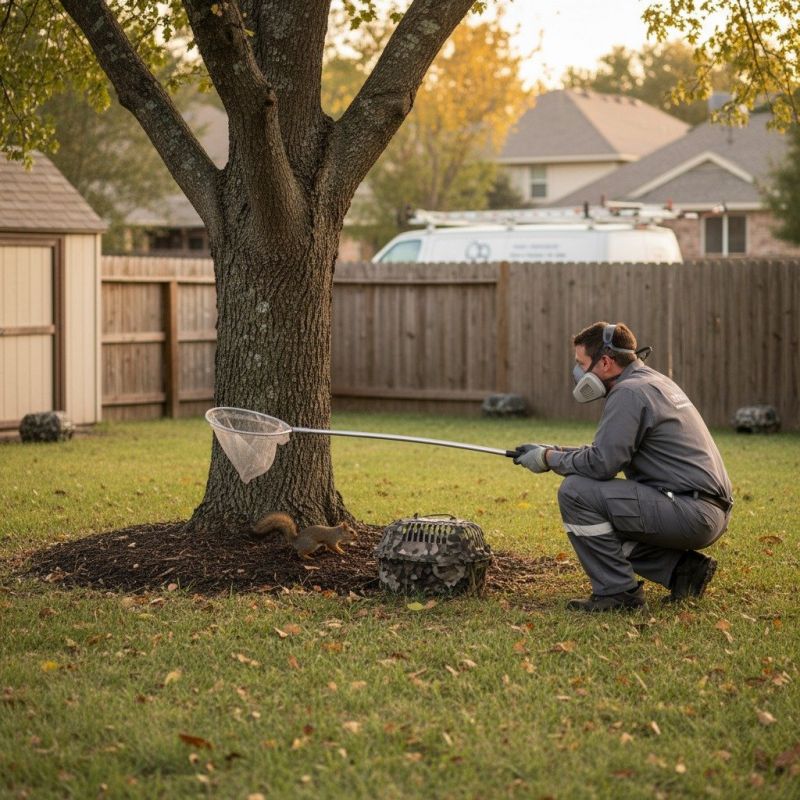
Humane wildlife removal plays a crucial role in maintaining the safety of both property and animals in everyday situations. When animals such as raccoons, squirrels, or bats find their way into attics, chimneys, or wall cavities, they can cause damage to the structure and create potential hazards. Property owners often seek humane removal services to ensure these animals are relocated safely and ethically, preventing further property damage and reducing the risk of disease transmission or bites. Local contractors specializing in humane wildlife removal are equipped to handle these situations responsibly, helping to protect the integrity of the property while ensuring animals are treated with care.
In addition to property concerns, humane wildlife removal is important for preventing conflicts between humans and animals. Animals that are left unchecked may become more aggressive or attempt to re-enter the property, increasing the chances of injury or infestation. By working with local service providers, property owners can address these issues promptly and effectively, minimizing the chances of future problems. These professionals focus on humane methods that prioritize animal welfare while safeguarding the property, making them a practical choice for those looking to resolve wildlife-related concerns responsibly.
Why is humane wildlife removal important for property safety? Humane wildlife removal helps prevent damage caused by animals such as chewed wires, nesting in insulation, or structural harm, reducing costly repairs and maintaining property integrity.
How does humane wildlife removal contribute to animal safety? It ensures animals are removed without injury or stress, helping protect their well-being and preventing unnecessary harm during the removal process.
What are the risks of not using humane wildlife removal methods? Ignoring humane methods can lead to animal injuries, increased property damage, and potential health hazards from animal droppings or infestations.
Why should property owners choose professional wildlife removal services? Professionals use effective, safe techniques to remove animals humanely, reducing risks for both the animals and the property owner while ensuring proper exclusion measures.
How do humane wildlife removal services help prevent future animal issues? These services include sealing entry points and implementing deterrents, which help prevent animals from re-entering and causing further damage or safety concerns.
Identify wildlife entry points - property owners can work with local contractors to inspect and seal gaps that animals use to access buildings, preventing future invasions.
Implement humane exclusion methods - applying humane wildlife removal techniques can safely remove animals and keep them from returning, protecting both property and animals.
Maintain property to deter wildlife - regular upkeep, such as trimming trees and securing trash, can reduce attractants and make properties less inviting to wildlife.
Educate on wildlife behavior - understanding animal habits helps property owners recognize risks and collaborate with local pros to develop effective, humane removal strategies.
If you are thinking about why humane wildlife removal is important for property and animal safety for a property, this guide is meant to help you understand this topic, the typical project types, and how different options might fit your plans.
When you are ready, you can use the quote form on this page to share a few details about your project. From there, local pros can review the basics and follow up with options that match what you have in mind.